




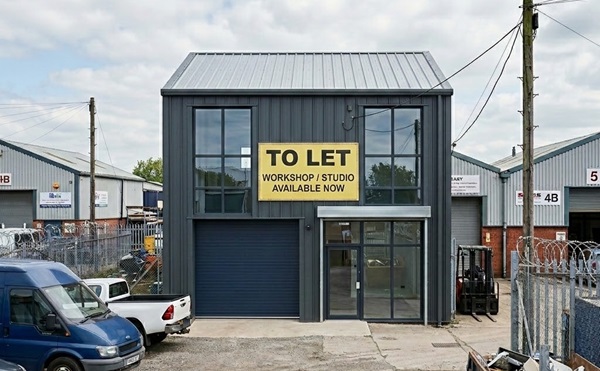
When businesses take on commercial premises, attention is often focused on practical and financial considerations such as rent, lease terms, fit-out costs and operational requirements. However, occupying business premises also brings a range of legal and regulatory responsibilities that should not be overlooked.
Whether a business is moving into a retail unit, workshop, office or industrial property, understanding these obligations is essential. Failure to comply with regulatory requirements can result in financial loss, enforcement action and difficulties with insurance claims.
Insurance responsibilities
Insurance is one of the most important considerations for any business operating from commercial premises.
In many commercial leases, the landlord is responsible for insuring the building itself, although the cost of the premium is often recovered from the tenant. The tenant or occupier will usually be responsible for arranging insurance for stock, equipment, business contents, public liability risks, workplace accidents and other operational liabilities.
Businesses should understand not only what insurance cover they have in place, but also the conditions attached to that cover. Insurance policies often contain detailed requirements that must be met throughout the policy period. Failure to comply with these obligations can affect the validity of a claim.
A common example is electrical safety compliance. Businesses using electrical systems and equipment may be required to maintain up-to-date electrical safety reports for the property’s power and lighting installations, together with Portable Appliance Testing (PAT) records for stand-alone electrical items such as computers, kettles and other workplace equipment.
If a fire or other incident occurs, insurers may request evidence that these inspections and records are current. Where required documentation is missing, incomplete or out of date, an insurer may refuse to meet a claim.
Insurance contracts are based on a principle of good faith, requiring policyholders to comply with policy conditions and relevant legal obligations. As a result, maintaining appropriate records and ensuring compliance with safety requirements is an important part of risk management.
For business owners, obtaining insurance is only part of the process. It is equally important to understand what risks are covered, what exclusions apply and whether the level of cover remains appropriate as the business develops.
Managing asbestos risks
Another area that can present significant legal and financial risk is asbestos.
Although modern building regulations prohibit the use of asbestos-containing materials, many older commercial properties may still contain asbestos within their structure or as part of historic refurbishment works carried out during the early and mid-20th century.
The absence of historic records does not remove responsibility. Regulations require those responsible for commercial premises to identify and manage asbestos risks. This typically involves obtaining a professional asbestos survey or report and taking any necessary remedial action where asbestos is present.
The costs associated with asbestos management, treatment or removal can be substantial. In some cases, premises may need to be partially or fully closed while works are carried out. However, failure to address asbestos risks can result in enforcement notices, financial penalties and significant liability issues.
Insurance may also be affected. If an employee later develops an asbestos-related illness such as mesothelioma and it emerges that asbestos risks were not properly managed, insurers may be unwilling to provide support in relation to claims arising from an unsafe workplace.
Businesses considering a new commercial lease should therefore seek confirmation regarding the presence or absence of asbestos and ensure that responsibilities for investigation, management and removal are clearly addressed.
Wider regulatory obligations
Insurance and asbestos are only two examples of the wider regulatory framework that applies to commercial operations.
Depending on the nature of the business, organisations may also need to comply with requirements relating to:
- Data protection
- Anti-money laundering regulations
- Health and safety obligations
- Waste management and disposal
- Licensing requirements
- Employment law compliance
Many of these obligations are ongoing rather than one-off requirements. As businesses grow, change premises or expand their activities, additional regulatory responsibilities may arise.
Business owners are often highly knowledgeable about their products, services, customers and markets. However, operating within a regulated commercial environment requires equal attention to legal compliance and risk management.
The importance of taking advice
Regulatory obligations are not always obvious, particularly for new businesses or those taking on commercial premises for the first time. Assumptions can be costly if they result in a compliance failure, invalid insurance cover or exposure to legal claims.
Understanding the responsibilities attached to a commercial property, reviewing insurance arrangements carefully and ensuring that appropriate safety and compliance measures are in place can help businesses avoid significant difficulties in the future.
Professional advice at an early stage can often identify potential risks before they become costly problems, helping businesses protect both their premises and their long-term operations.
John Roberts is a Partner and Director at Austin Lafferty Solicitors. John has been with the firm for almost 20 years, with experience in all areas of business law.
